
How Can Brands Compete in ChatGPT Without Paying for Ads?
AI has become part of how people research and look for products, as well as…

No matter the industry, no matter the niche – the battle for attention in the digital sphere is fierce. Among the sea of competitors, how can your website not only stand out to attract and convert customers?
One of the answers lies in leveraging the power of high-intent keywords.
Also known as buyer-intent keywords and commercial-intent keywords, high-intent keywords are a core component of any highly targeted search engine optimisation (SEO) strategy. These keywords are the search terms used by people who are ready to take action right then and there – whether that’s making a purchase, signing up for a service, or contacting a company for more information.
Unlike top funnel keywords, which are broad or informational and cater to users simply gathering information, high-intent keywords are aimed at those on the verge of completing a conversionA conversion is a desirable result on a website that leads to an action such as completing an order, filling out a form, or simply clicking on a link.. High-intent words fall into two general categories:
By moving away from low-intent keywords and instead targeting their high-intent counterparts, you can significantly increase your website’s conversion rates. The reason is simple: you’re capturing traffic that is already primed to convert.
What is conversion rate optimisation? How does this link to knowing which keywords are best to target? Let us answer those questions.
Conversion rate optimisation (CRO) is a process built around increasing the percentage of website visitors who take a desired action. Most would instantly think of that action as being a product purchase. However, it could also be anything from completing a submission form to signing up for a newsletter. To get it right with CRO, it’s essential you understand how users move through your site, the actions they take, and what’s preventing them from converting.
With CRO, various components are included to create a more compelling user experience that drives conversions. One of the most important is the use of keywords within content. Even if you have attracted high-intent leads through search results, you need to ensure these keywords complement the overall user journey.
Learn more: What Is CRO
Now you know high-intent keywords are among the main methods when learning how to increase conversion rates. The next step is learning how to find buyer intent keywords and use them correctly. Below are some key methods to follow:
The first step in targeting high-intent keywords is to conduct thorough keyword researchKeyword research helps websites unearth the best keywords to drive traffic and visibility. This research is supported by a number of powerful web-based tools, the best of which we’ve listed here.. There are numerous tools available that make this a breeze, including Google’s Keyword PlannerThe Google Keyword Planner Tool helps you find new keywords and synonyms based on the ones you already rank for., SEMrush, and Ahrefs. With any of these tools, you are able to find the keywords that align with the buying intent relevant to your brand, products, or services. One tip is to look for keywords with a higher cost-per-click (CPC). These generally indicate a stronger intent to purchase.
After the first step, you will have put together a buyer intent keywords list. However, it is always wise to research your competitors to uncover the high-intent keywords they are using. With a tool like Ahref’s Site Explorer, simply input the URL of a competitor, and you can extract a lot of valuable data – including keywords with high purchase intent – within seconds.
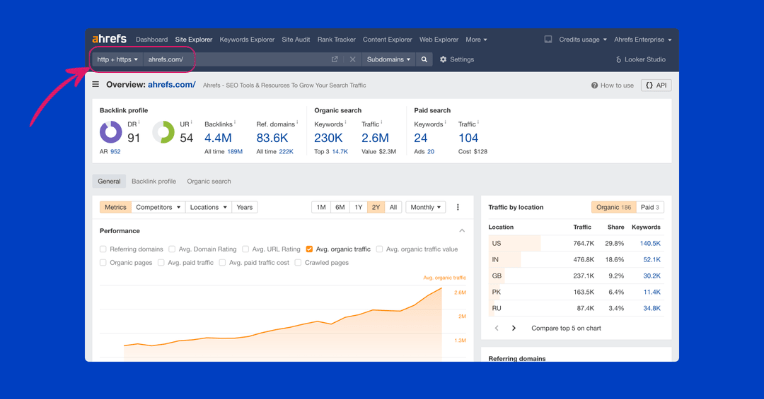
Along with being able to add to your list of buyer intent keywords, competitor analysis can help spark ideas with your own content creation. See how they are building around the high-intent keywords they’re using. By doing so, you can see what content you are up against – and what has to be done to outrank what they’ve created.
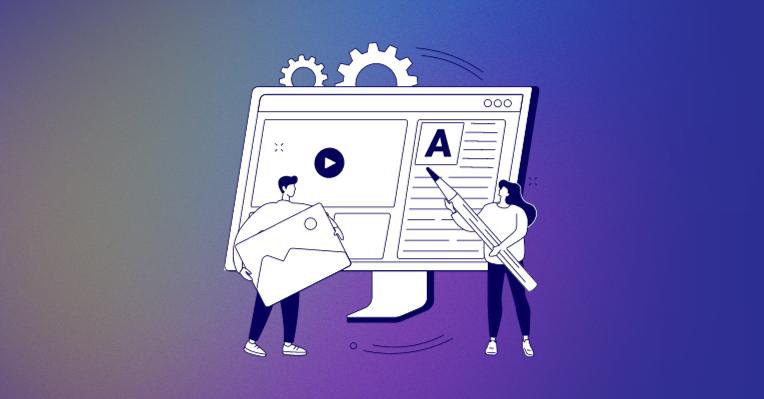
When learning how to increase your website traffic, one of the most important elements is crafting high-quality, optimised content. Yes, the content has to be optimised for search engines, but that’s only part of the puzzle. It also has to be produced to appeal to the user’s intent.
For example, say the buyer intent keywordKeywords are the words and phrases that potential customers might search for to find your business. you are targeting is “buy organic chocolate online.” The content on the page should directly address how to purchase, along with the product’s pricing, benefits, and delivery information. By optimising content around your buying intent keywords, conversion rates will rocket.
See how our link buildingLink building is a process of acquiring links pointing to your website. These links are obtained by creating content, participating in social media or commenting on other blogs. services can push your content up the search engine rankings.
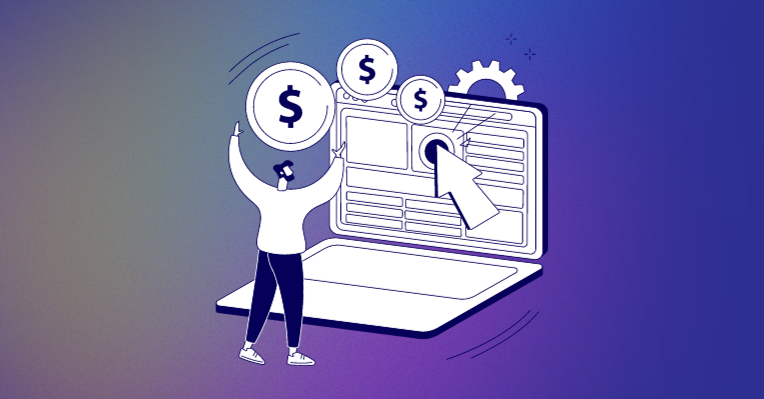
It’s wise to leverage pay-per-click (PPC) advertising to position your products or services in front of users who are ready to convert. It’s true: high-intent keywords can be competitive and costly. Yet, they can also be incredibly effective when it comes to driving conversions.
Craft your ad copy to answer the intent of the keyword directly. Additionally, ensure the landing page linked to the ad aligns with the promise made in the ad copy. By doing so, your high-intent targeting keywords will pay off – and those costly clicks won’t be wasted.

If you have ever done an SEO audit, you understand this marketing strategy is not one you can set and forget. This also applies to targeting high-intent keywords, where continual monitoring and analysis are essential. Use analytics tools to track how well your keywords are converting. Not hitting the levels you expected? You have clear evidence that adjustments are necessary.
An adjustment could involve the revision of your landing pages, for example, or it might see you tweaking your ad copy. If those purchase-intent keywords have truly missed the mark, you may even revise your entire strategy to focus on terms that bring a higher ROI.
This could involve tweaking your ad copy, revising your landing pages, or even revising your keyword strategy to focus on terms that bring a higher ROI.
Targeting high-intent keywords is a tricky yet highly rewarding approach to improving conversion rates. It’s about understanding the mindset of your potential customers at a crucial decision-making point and providing them with the solution they seek.
It’s always a key aspect of our managed SEO service. Speaking of which, if you need assistance with high-intent keywords, feel free to get in touch today. We can also provide professional expertise in other vital SEO aspects, such as content creation and backlink analysis.

AI has become part of how people research and look for products, as well as…

If you’ve ever tested your website using Google PageSpeed Insights, you’ve probably been met with…
Ah, 2021 – the year of volatile Google algorithm updates that shook marketers from within and left website owners scratching…
Without the correct tactics, your website doesn’t have a chance of appearing prominently on search engine results pages. Because if…
Expertise. Authoritativeness. Trust. These are the three core pillars behind Google’s E-A-T concept. If you have been in the content…

Some backlinks can help a key service page gain authority, while others help to strengthen…

SEO can be complicated. It’s constantly changing and is not a one-and-done job. That’s something…
AI has become part of how people research and look for products, as well as…

Growing an SEO agency takes a lot of hard work. You've got to keep up…

Google announced it was rolling out a further spam update on August 18, 2026. It…

Instead of scrolling through pages and pages of endless search results, more people are now…

When your target customer heads to Google to search for a product or service, or…

Artificial intelligence (AI) is changing the way that people are searching for information. Tools like…
If you are looking to increase your traffic, sales & leads, let's have a chat!

The team will usually respond within 1 hour.

Comments (1)