
Brand Mentions Are Pulling More Weight in SEO Than You Think
Remember when your search authority boiled down to how many backlinks you had? The more…


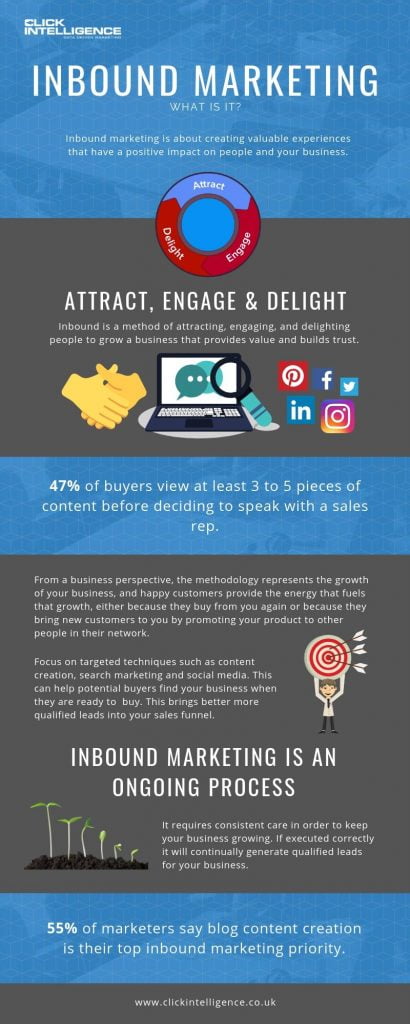
For those of you who are asking, what is inbound marketing? Look no further! We have compiled a comprehensive guide to help you understand the basics, what makes it work so well, and of course tips and tricks on how to get started with your own inbound marketing strategy.
Before the days of the internet there was simply, “marketing,” but now businesses need to contend with concepts like PPC, SEO, Inbound, Outbound, Email marketing, social media marketing, and so many others. What are the differences between them? Which one is best to focus on? How do you know your efforts are paying off?
To simplify things, let’s start with just inbound marketing. In the simplest terms, inbound marketing is a way of providing value to your customers so that instead of just one sale, you gain a repeat customer. This strategy takes longer to implement, but the rewards are massive.
You create repeat customers by creating valuable content that they enjoy. You don’t need to get them to buy something every time they visit your website or social media profile, but you do need them to visit often. This way you can advertise your products or services to them in a friendly, comfortable setting. You also reinforce your brand and become a familiar establishment in their life.
In the digital world, this is how you become a household name. Inbound marketing works by attracting customers, engaging them with content and customer service, and then delighting them with the product or service. It is how you add the human touch to digital marketing.
In the old days before demographic data was collected en masse around the globe, outbound marketing was just marketing. It is the adverts you see on the television, hear on radios, or see in magazines. It is designed to attract as large an audience as possible, rather than give value specifically to your ideal customer.
In short, the difference between inbound and outbound marketing is that inbound focus on providing value to the customer and developing a long-lasting relationship, whereas outbound marketing’s goal is getting your name and product out there in the hope someone buys it.
The reason why you should focus on inbound marketing instead of outbound marketing is that people are sick of advertisements. They don’t want to have sit through your video advertisement. They don’t want to be bombarded with banners or pop up ads.
By investing in inbound marketing, which focuses on building up a relationship with your customers, you are 60-70% more likely to see another purchase. New customers? They are only 5 – 20% likely to buy from you.
Repeat customers are cheaper to keep as well, and there’s the added bonus that they are far more likely to recommend you to friends and family. Inbound marketing builds trust, credibility, and helps keep the momentum going.
There are three main stages of inbound marketing that you need to keep in mind when creating your strategy.
Attract
This is the stage that is most similar to outbound marketing. By keeping the focus on your demographic, however, you will be able to attract more people to your website or social media profile. It is key to remember that the goal of these advertisements is not the hard sale. It is the soft sale. You want them to sign up or follow you so that you can develop a relationship with them that will prove more profitable than all the clicks you can get through PPC marketing.
You will also want to build up your content strategy. This works wonders for SEO and can help give you the authority you are looking for within your field. This, in turn, will also give your users value when they visit your site and give them a reason to return to your website that doesn’t involve just purchasing an item. Once you have this relationship, you can then work the long game.
Engage
The goal of attracting is to get them to make a connection. The next step is to engage them. This can be done through informative newsletters, a chatbot, marketing automation, and more. Offer value and a personal touch to get your users to enjoy the connection they have with you and, above all else, trust you.
Delight
When it comes to the next step, you will want to delight them. For example, if they aren’t sure how to use your program bundle, then offer a series of video tutorials to help teach them. Follow up with other smart content, email marketing, and even a direct helpline in case they need it. This is the digital version of golden customer service.
There are a few things that you will need in order to properly succeed at inbound marketing.
Detailed Customer Research
You need to know who your customer is. This will help your attraction stage immensely and give better value on the content you create.
Always commit to this research. You can do it through quizzes, questionnaires, and even just by talking to your customers on social media or through email. Be open to their suggestions and make changes that the community you are building wants to see. This way, you can both grow together and add value to each other’s lives.
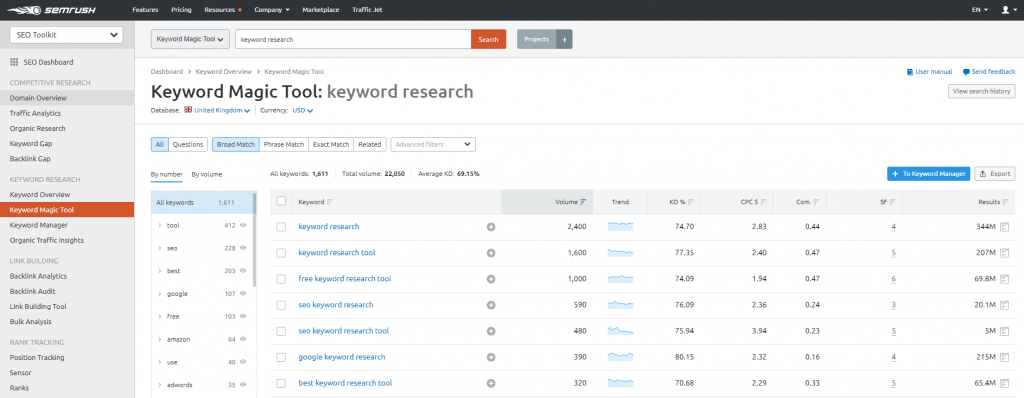
Keyword ResearchKeyword research helps websites unearth the best keywords to drive traffic and visibility. This research is supported by a number of powerful web-based tools, the best of which we’ve listed here.
Knowing who your customers are will also help with your keyword research. You can then use these keywords to optimise your blog and website to organically attract more potential customers.
Great Content
Knowing your demographic will also give you key insight, like what they care about, what their values are, and what concerns they may have. You can then create content that reflects this. This is the content that is most likely to turn a newsletter into a great inbound tool.
It will also give you great ideas on what to post. Studies have shown that B2B businesses that post 16 or more articles a month will see an average of 3.5x increase in traffic than those that don’t post at all or only post a couple of posts a month.
Ideas on what content to post include:
A Business That Works Together
You need everyone on board in order to succeed with inbound marketing. Building customer relations is something everyone needs to be committed to. This is because your company is just a fledgling and it always will be. You need to actively listen to your customers – both their direct suggestions and what the numbers indicate – and improve again and again.
This means improving your website, improving your email marketing, improving your social media strategy, and even improving your product to reflect your community. When the community you have built up notices that their words and ideas are listened to and respected, you will automatically boost your relationship with them.
That is how you grow a thriving community who loves your brand, buys from you regularly and recommends you to all of their friends.
Reviews and Social Proof
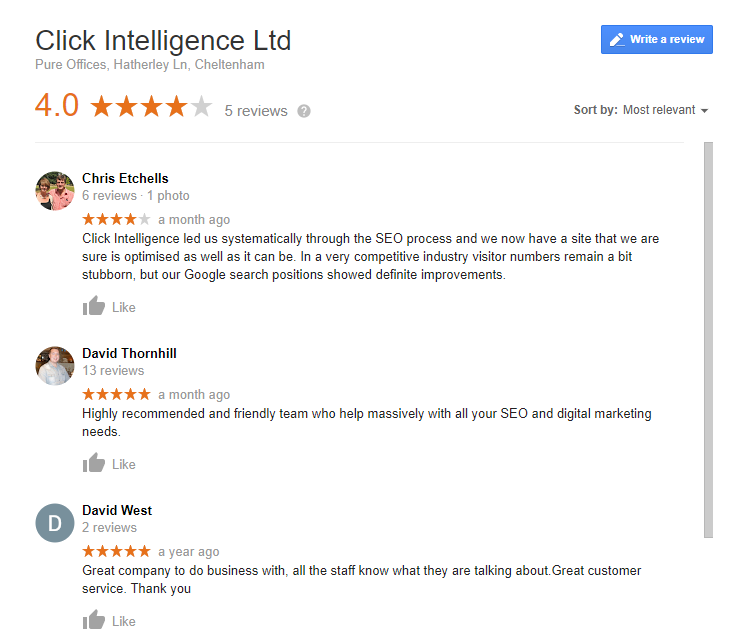
Reviews and social proof are very useful with inbound marketing. It can help during the initial stages of your relationship and is easy to acquire from existing happy customers. You can send an email after they buy an item to write a review, or offer a discount or deal if they were to take the time to write a testimonial for your business that will then be published online.
You will also want to be active on the popular directories your business is listed on. When people have a bad experience, sometimes the first place they go to is social media or a review site, because they are so used to being ignored by big institutions. By addressing them, hearing them, and fixing their issue, you can transform a bad experience into an inbound marketing opportunity.
A Focus on SEO
Every marketing strategy must be done with a focus on SEO. This is how you get the most out of your efforts and a great way to improve the quality of the content that your users are looking at.
Google wants the best experience for their users. That is it. By following current recommendations and guidelines, you can offer a better experience for your repeat customers. This means optimising your site for voice search and mobile-first indexingGoogle's Mobile-First Indexing is a change to the search engine's indexing system, where sites are ranked higher in search results if they're easier to navigate on mobile devices.. It also means making it easy to find and locate anything they are looking for.
Google loves this, customers need this, and when combined, you have a winning inbound marketing strategy on your hands.
Analyse, Update, and Strategise
No marketing strategy is great the first time you do it, and successful ones can fade with time. That is why you need to commit to analysing the data, updating your strategy, and even rethinking your inbound marketing efforts on a regular basis so that you can always give your customers the best experience possible.

Remember when your search authority boiled down to how many backlinks you had? The more…
When you search for anything on Google, you will be met with a list of…
If Google's latest Web Core Vitals update has caused havoc to your SEO results, find your solution in our latest in-depth ebook.

Find out the secret code of how to get a rich snippet in Google.
Budgeting for SEO is a terrifying prospect. There are so many elements in play, and seemingly endless considerations, rendering it…
The amount you invest in your link building budget should be based on the realistic…
Search engines aren't the only automated systems accessing, interpreting, and making sense of content found…

There's plenty of scope when creating SEO campaigns. Each industry that turns to experts for…
PR has long supported brands in building authority and spreading awareness, but PR distribution has…
Towards the end of September, on the 24th, Google released the second spam update in…

Some backlinks can help a key service page gain authority, while others help to strengthen…

SEO can be complicated. It’s constantly changing and is not a one-and-done job. That’s something…

AI has become part of how people research and look for products, as well as…
If you are looking to increase your traffic, sales & leads, let's have a chat!

The team will usually respond within 1 hour.