Facebook Ads vs Google Ads: Which should you be using?
TL;DR – Facebook Ads vs Google Ads: Which Should You Choose? Google Ads excel at…

As part of International Social Media day, we have decided to throw in this extra blog post about organic social media algorithms. These algorithms are the deciding factor in whether your posts are visible or hidden in the background, so you must dance to their tune. Yet these algorithms are hidden from sight, changing up the game every so often, and causing confusion for marketers across the globe.
Are you one of those struggling to solve the social media algorithm puzzle? Then this quick guide is for you. Below we will take a brief look at how the algorithms work in 2022 for major hitters Facebook, Instagram, Twitter, and LinkedIn.
Before observing individual social media platforms, let’s just take a step back. With the mystery of the social media algorithms, you might just be wondering what the heck they are anyway.
Well, in simple terms, social media algorithms are utilised by platforms to organise and promote posts based on their relevancy. Rather than focusing on their publish time, social networks push content based on what they feel their users want to see. Back in the day, content was displayed on a user’s feed in reverse chronological order. Now the algorithms decide what content is delivered.
Social media algorithms use various metrics to create relevant, valuable feeds that will keep users scrolling down the page. These metrics include past online behaviour and how users interact with other social media accounts. They also receive guidance from keywords, categories, hashtags, and other content-related elements.
Now that’s out of the way, let’s look at the algorithms for the biggest social media platforms – and how you can adjust your content strategy to work in line with them.
Facebook underwent significant changes in 2021 – and it wasn’t just a “Meta” name change. They have also been continually adjusting the Facebook algorithm. After all, this algorithm isn’t static, and the Meta team uses machine learningMachine Learning is the branch of artificial intelligence (AI) that gives computers the ability to learn without being explicitly programmed. and AI to better refine how content is delivered to their users.
Going back a few years to 2018, Facebook decided to take a stand against branded content. Mark Zuckerburg had this to say:
“As we roll this [algorithm change] out, you’ll see less public content like posts from businesses, brands, and media. And the public content you see more will be held to the same standard – it should encourage meaningful interactions between people.”
This meant businesses had to adjust their content strategy for Facebook. They had to place an emphasis on targeting their audience and encouraging interaction from followers. This still stands today. More personal, relevant content continues to be a primary focus for the Facebook algorithm.
As Instagram is under the Meta umbrella, you might feel the algorithm functions in the same way as Facebook’s. However, that isn’t the case. There are differences you have to account for when trying to get your posts the visibility they deserve on Instagram.
Fortunately, the algorithm isn’t a mysterious beast. Instagram themselves have explained the ranking factors used when pushing content on their platform. These key factors are:
That bird isn’t as innocent as it looks. Twitter’s algorithm also utilises a variety of metrics to decide which content shows up on user feeds. This algorithm is continually evolving, where it shares a mix of real-time content with algorithmic content.
To give your content the best chance of currying favour with the Twitter algorithm, it’s important to know the main points that are considered:
Users can switch off the Twitter algorithm. Incoming Twitter owner Elon Musk recently posted a quick guide on how to “fix your Twitter feed.” As he put it, “You are being manipulated by the algorithm in ways you don’t realise.” The ‘fix’ sees Twitter going back to its original reverse chronological order for content.
LinkedIn is no different from the aforementioned social media platforms in that it also utilises algorithms. You’ll see this for yourself if you go onto your LinkedIn feed and see how content is organised via “Top Updates.”
These “Top Updates” are judged based on your LinkedIn activity. This includes accounts you have interacted with, whether by ‘liking’ a post, leaving a comment, or sharing their content. With that said, LinkedIn is another platform that allows you to revert to a chronological order for posts.
To work with – and not against – the algorithm, here are some best practices to remember that were spotlighted by LinkedIn:
As you can see, there are differences between each social media platform and the algorithm they use. However, what is common between them all is that for success in 2022, you have to produce valuable content and share this regularly.

TL;DR – Facebook Ads vs Google Ads: Which Should You Choose? Google Ads excel at…
Mark Zuckerberg renaming the organisation that oversees Facebook, WhatsApp and Instagram to Meta was perhaps…
Here is how to find the perfect link building partner, download today!
Ever wondered why certain websites appear at the top of Google’s results page when you search for something? That’s no…
Download our free guide of how to run a successful outreach campaign.
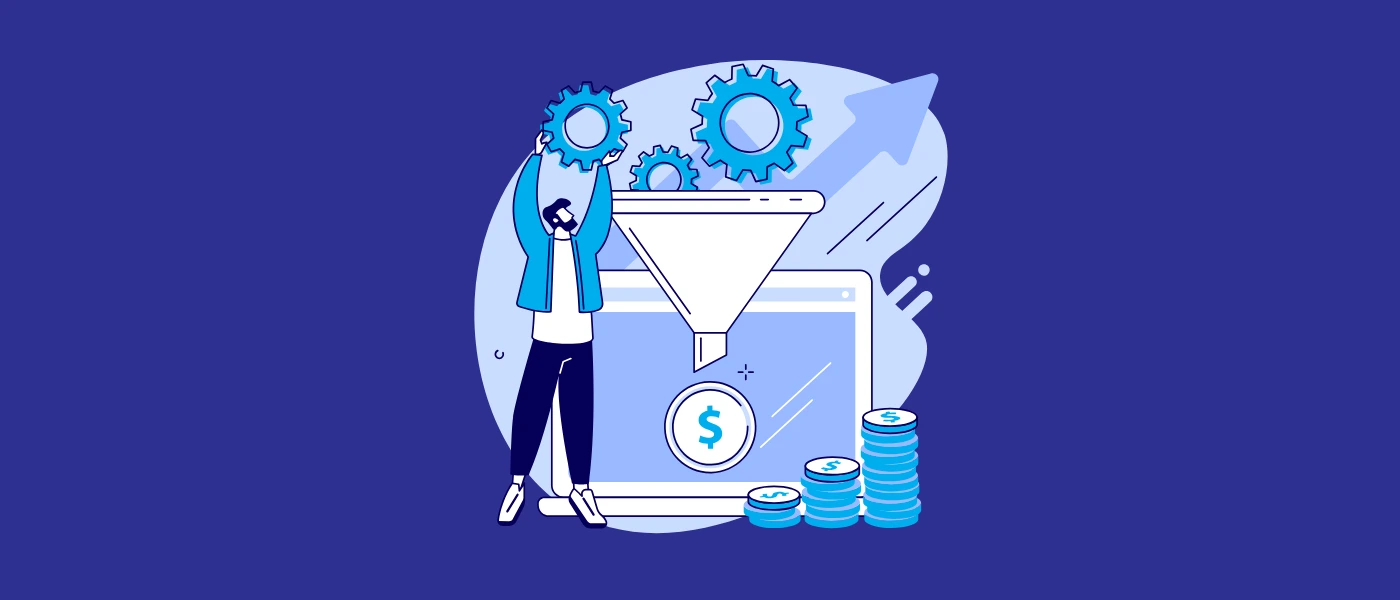
The amount you invest in your link building budget should be based on the realistic…
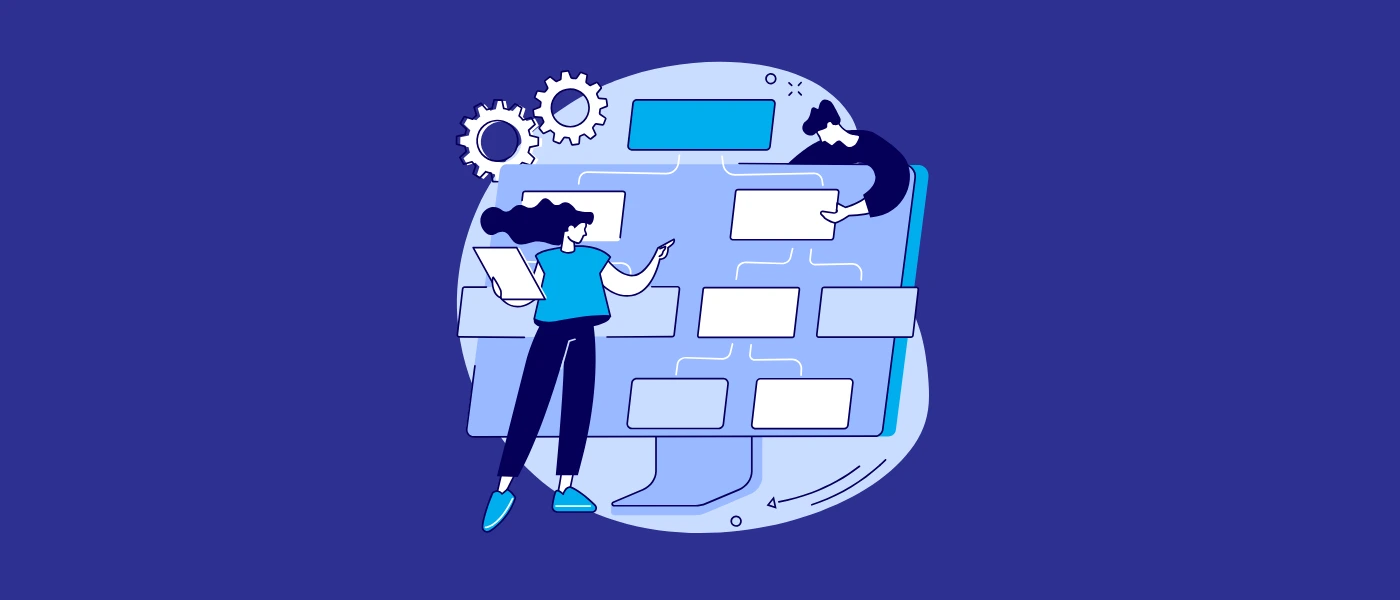
Search engines aren't the only automated systems accessing, interpreting, and making sense of content found…
There's plenty of scope when creating SEO campaigns. Each industry that turns to experts for…
PR has long supported brands in building authority and spreading awareness, but PR distribution has…
Towards the end of September, on the 24th, Google released the second spam update in…

Some backlinks can help a key service page gain authority, while others help to strengthen…
SEO can be complicated. It’s constantly changing and is not a one-and-done job. That’s something…
AI has become part of how people research and look for products, as well as…
If you are looking to increase your traffic, sales & leads, let's have a chat!

The team will usually respond within 1 hour.