Insight into the Google September 2026 Spam Update: What It Means for You
Towards the end of September, on the 24th, Google released the second spam update in…

Google, as the go-to search engine, presents many updates regularly. While these updates are always designed for the betterment of results and for more improved results for businesses, searchers and SEO b2b professionals alike, they can also serve to severely hamper any SEO strategy which has already been implemented by businesses and SEO experts; especially if Google’s algorithm changes altogether. The Google Hummingbird updateThe Hummingbird update was designed to improve Google's understanding of long-tail queries and contextual searches. 2018 was one such update.
So, what exactly did the Hummingbird update achieve?
The Hummingbird update’s predecessors, such as Panda and Penguin, were highly focused on the quality of inbound linksHyperlinks, also known as links, are the connection points on a webpage that take you to other webpages. and the quality of the content itself. Hummingbird, however, appeared to be more focused on how much content and links are delivered, rather than what they actually are. While a b2b SEO agency can work with businesses to achieve engaging content, Hummingbird was more concerned with making sure that content reaches the relevant people (and their search queries).
Released back in 2013, this update presented more of a focus on searcher intent, and therefore how to present more relevant results within its search engine pages. Google’s Hummingbird thereby increased understanding of semantics and context to provide a better match of results for particular search queries.
It’s safe to say that a better understanding of search terms, semantics and context is highly relevant for any online content, and SEO services noted at the initial time of the update’s release that Hummingbird did not appear to have any significant negative impact on search engine rankings.
Furthermore, Google’s Hummingbird update impacted the semantic search abilities of Google, too. The search engine’s advanced feature allows it to learn how to infer search meaning by deconstructing intent and context in search queries. Paired with Google’s knowledge graphThe Knowledge Graph is a knowledge base that Google uses to organize information. — or knowledge base — this is used to provide the most relevant information possible to improve results, which an SEO agency can best advise on.
While search engine capabilities and the digital world evolves, so does language; and this means that certain words and phrases may carry different and new meanings as time moves forward. With the Hummingbird update, Google is attempting to keep up with this pattern, by understanding new meanings for existing words, or how certain words paired into a phrase may have a different meaning altogether. An SEO expert also has to keep up with these changes to always deliver the best content.
Semantic search means that Google wants to provide more accurate results on the search engine results page by having a broader understanding of semantics and word-definitions based on context. This advancement is also clear when Google presents a list of options for search phrases or words you might have meant if you spell or search incorrectly.
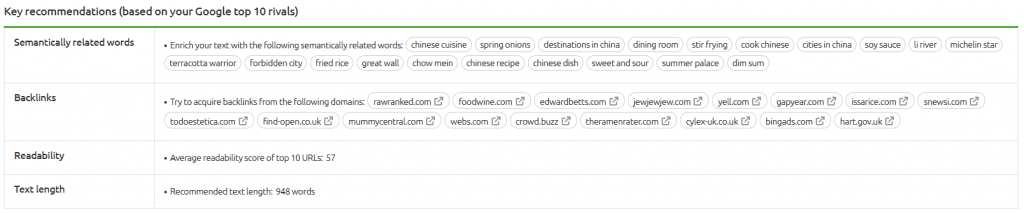
A prime example could be for searching for a local takeaway or the best restaurant for a particular type of food near you. Google then needs to understand the intent behind the search term — namely, that you wish to find the best place to find your desired food in your current location — without you having to spell it out, and perhaps using vague search terms such as ‘best place for Chinese’.
Google’s knowledge base is a crucial component for the search engine being able to understand the context behind search terms.
Search Engine Optimisation services noted that this update positively improved the accuracy of Google’s knowledge graph. This knowledge graph is Google’s primary source of data, which aims to provide more relevant data on search engine results pages from a variety of different sources. This allows for more contextualised and semantically relevant information to be provided for search queries, and thereby provide more quality content for searchers.
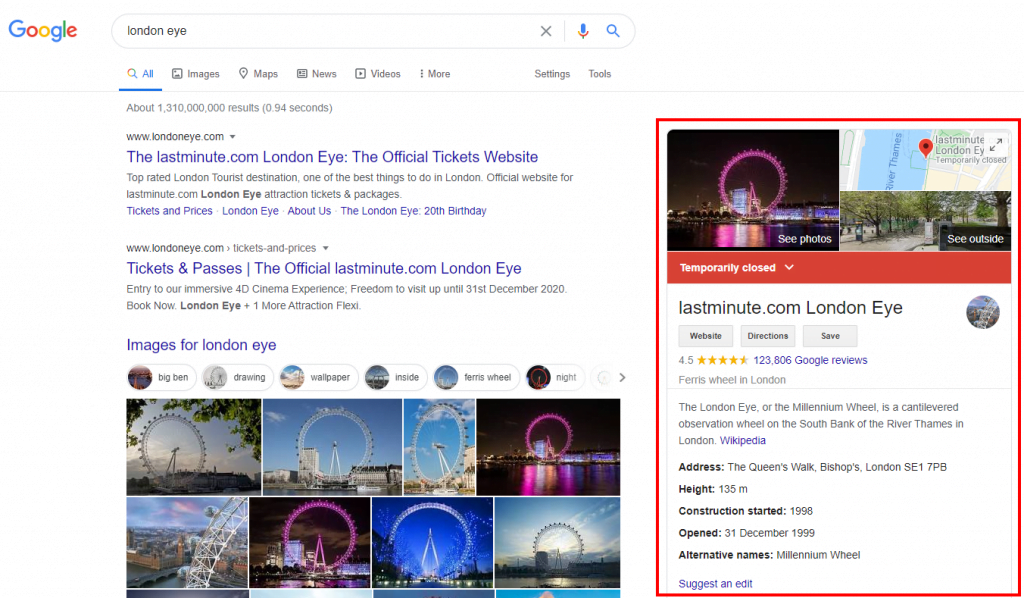
An example of how Google presents this information is considering the layout of a search engine results page. As a searcher, you will be presented with the main body of search page results, but you may also see additional information displayed in a box on the right-hand side of the screen. This is usually a panel which provides a key image and an overview of relevant information. The image could be anything related to your search query, such as a person, a place or map directions.
This extra panel is extremely helpful for local searches. If a Google user is entering a ‘near me’ based query, then this panel can provide a list of potential results in order of distance and relevancy. With this, Google is striving to provide the most accurate and relevant information.
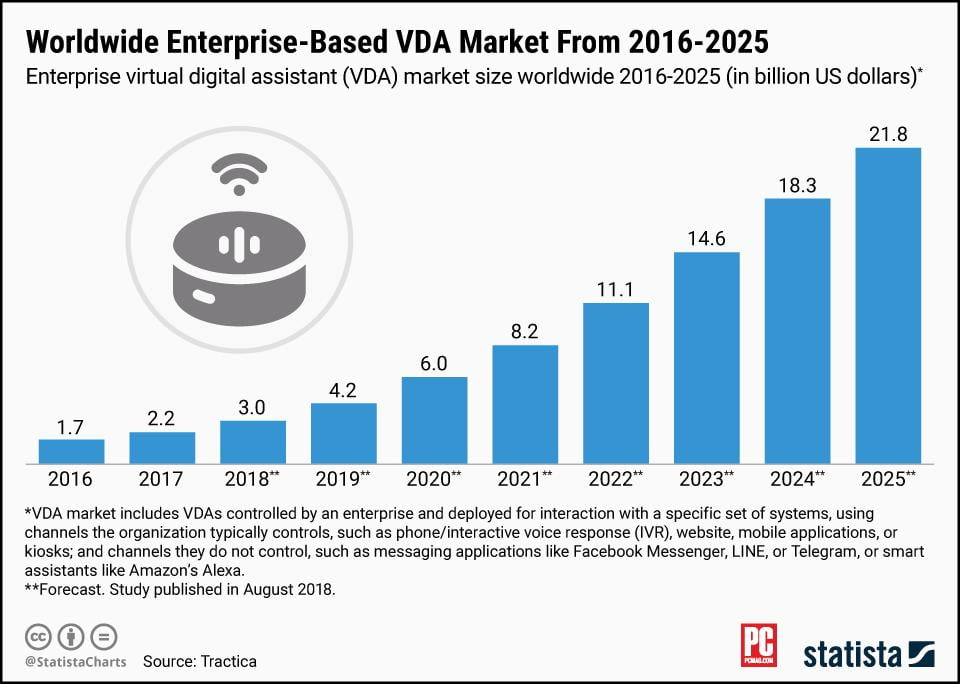
The way individuals use search engines, and the chosen words they use is ever evolving. It’s important to note that search engines are no longer used only by typing search queries online, either. With the rise of voice-controlled technology, many people use their voice to ask Google questions and to implement a search query, which means that Google’s updates such as Hummingbird will need to account for that (and undoubtedly already are).
Businesses need to adapt their relevant content and keywords to the same semantics and context which Google is paying attention to with the Hummingbird update. When considering keywords, it’s essential to think of phrases such as ‘near me’ or other semantically relevant search times to best direct your content to be shown on Google’s results page.
Employing a professional SEO service like Click Intelligence means that you can always stay on top of your keywords and content to ensure that they are optimised for Google no matter what. Hummingbird’s focus has been on improving the quality of Google’s results offering, so it’s necessary to provide Google with the quality results it needs when needed.
While a lot of Google updates come as a form of chagrin for businesses and their search engine marketing agency, it seems that Hummingbird is working for the benefit of everyone to provide highly relevant results — which can only be a plus.
As an SEO specialist, Click Intelligence’s focus for any client is always to create content which speaks directly to the consumer to tailor results for the induvial rather than the search engine itself. We can work efficiently with Hummingbird in mind to provide the best quality b2b SEO strategy and search engine optimisation strategy for you.

Towards the end of September, on the 24th, Google released the second spam update in…
Google announced it was rolling out a further spam update on August 18, 2026. It…
Are you struggling to think about what to write about for your content marketing efforts? It’s not an uncommon situation–particularly…
The search engine landscape is constantly changing; search in 2022 is no exception. New trends and algorithm updates occur all the time in the search engine world.
Download our free guide of how to run a successful outreach campaign.
The amount you invest in your link building budget should be based on the realistic…
Search engines aren't the only automated systems accessing, interpreting, and making sense of content found…
There's plenty of scope when creating SEO campaigns. Each industry that turns to experts for…
PR has long supported brands in building authority and spreading awareness, but PR distribution has…
Towards the end of September, on the 24th, Google released the second spam update in…

Some backlinks can help a key service page gain authority, while others help to strengthen…
SEO can be complicated. It’s constantly changing and is not a one-and-done job. That’s something…
AI has become part of how people research and look for products, as well as…
If you are looking to increase your traffic, sales & leads, let's have a chat!

The team will usually respond within 1 hour.