How Can Brands Compete in ChatGPT Without Paying for Ads?
AI has become part of how people research and look for products, as well as…


When it comes to getting your website found online, there are two very important sides to search engine optimisation (SEO) that you need to ensure are working together to complement one another: on page SEO and off page SEO.
In this article, you will learn some important SEO techniques on page and get the answers to your questions:
We’re also including a quick on page SEO checklist to enable you to quickly go through your content to ensure your on-page content is performing at its best.
On page SEO, also known as on-site SEO, is a method of content creation that optimises your website, your digital marketing, and your content marketing to be search engine friendly.
Ensuring your website is search engine friendly isn’t a simple task, and over the last few years, Google has really improved its methods of ranking web pages by usefulness. It’s important to follow the advice of both Google and SEO professionals and tick all of the boxes as it were, you’ll have more chance of your website and your business getting to the top of the search engine results page (SERP) and attracting more traffic.
As a side note, with Google being the biggest search engine on the internet, most guides (like ours) will focus on optimising your content for Google, but any optimisation you do will usually improve your rankings on other search engines like Bing and Duck Duck Go too.
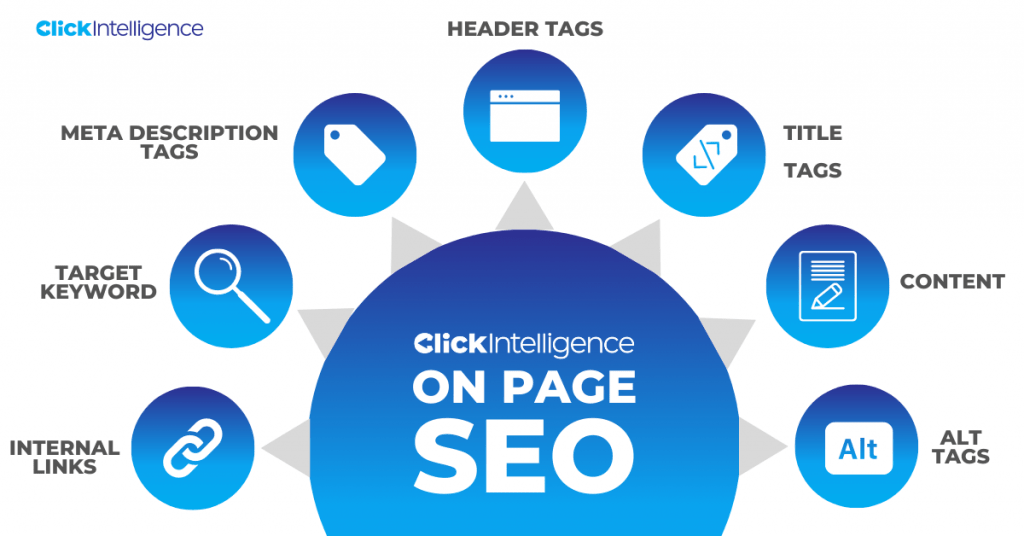
SEO optimisation, in general, is important for your website to attract traffic. With increased traffic should come increased conversions, whether you measure that in ad revenue, affiliate link clicks, sales, sign-ups, customers, etc.
The issue is increased low-value traffic is just not very helpful. When you improve on page SEO, you will be ensuring your traffic increase is from people who are specifically interested in your website and your content, leading to higher conversions.
Increasing your SEO on page optimisation with these SEO tips will strengthen your off-page optimisation and help Google to know exactly what your website is about, what your business does, and what type of users to send to it.
Google’s main aim when it comes to search results is to be helpful for their users. If you can make it easier for Google to know that your website is effective, authoritative, and trustworthy (Google’s handy acronym EAT), the algorithm will look upon you more favourably and your website will increase in rankings.
Of course, it’s not all on-page SEO that does this, but improving your on page SEO best practices will help to strengthen your off-page efforts, so it’s worth doing.
There are a number of important on page SEO factors to consider, but it’s important to know that improving just a few elements of on page SEO won’t make a huge difference, but making a concerted effort to optimise all of your content will ensure you are hitting the important ranking factor.
SEO is a marathon, not a sprint, and it can take a while to see the results, but if you get into the habit of creating optimised content from that start and using these on page SEO tips, it will mean you’re always be starting off on the right foot.
Keyword researchKeyword research helps websites unearth the best keywords to drive traffic and visibility. This research is supported by a number of powerful web-based tools, the best of which we’ve listed here. is still really important in 2020, and we do need to make the distinction between keyword stuffingKeyword stuffing is a technique that attempts to give pages higher rankings in search engine result pages by inserting the same keywords over and over again. and keywordKeywords are the words and phrases that potential customers might search for to find your business. use. If your keyword is “stained glass windows”, for example, you’ll want to use the keyword a few times in your content but not too much.
There isn’t really a set amount, but a good estimate is about 1-2% keyword densityKeyword density is a measure of how often a keyword or phrase is repeated on a given web page., around once or twice per 100 words, as long as it feels natural.
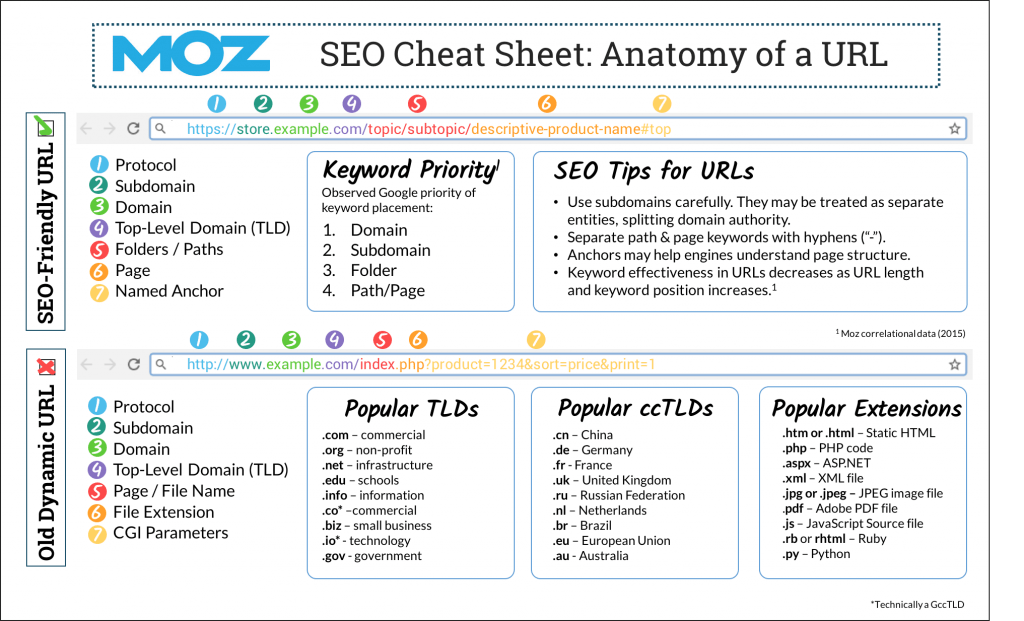
URL optimisation gets missed out of a lot of lists, but it’s an important factor. Often, site builders like WordPress will assign a seemingly random name to your latest post, and it may look something like this:
your-site.com/287402
That doesn’t explain to your users or to Google what the page is. Optimisation is done best by being descriptive, not using capitals, and putting your blog posts into categories. An optimised URL for your post named “My Awesome Post” might look something like this:
your-site.com/category/my-awesome-post
Meta Data is split into Title and Description. Both will appear on the SERP and need to be optimised. Your Meta Title needs to be under 60 characters, and your description under 160 characters.
For example:
Title: My Awesome Blog Post │Your-Site
Description: Need to find out about an awesome new idea? Check out this awesome blog post and learn more about awesome posts today.
Back in the day when websites were hand-coded in HTML (before the mass adoption of site builders like WordPress, Shopify, Wix, etc.), titles would need to be wrapped in <h> tags. Today this is usually done automatically by WordPress or all other mainstream website builders, but it’s important to check.
Your content should look like this:
<h1>Post or Page Title</h1>
<h2>Content Subheading</h2>
<h3>Smaller Subheading</h3>
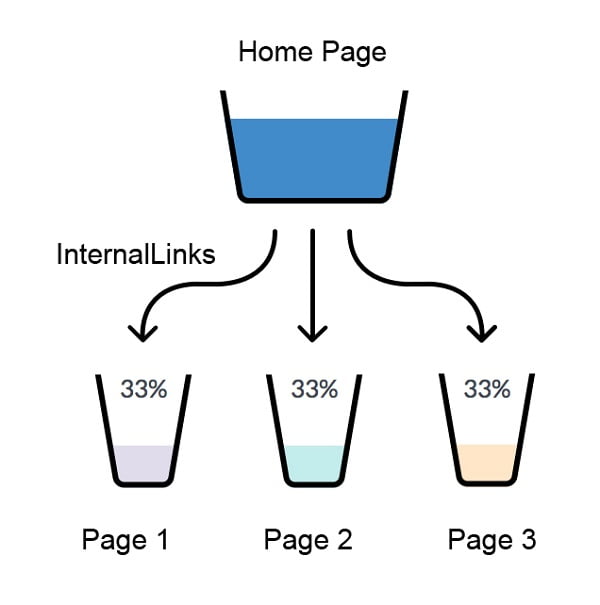
Internal linksHyperlinks, also known as links, are the connection points on a webpage that take you to other webpages., links to another relevant page on your site within your content, is really important for two reasons, it shows Google that your whole website is focussed within your niche, and it allows your users to move around your website getting the information they need in addition to their original search intent (decreasing your bounce rateBounce rate is the percentage of visitors to a website who visit only one page. A high bounce rate indicates that visitors are not satisfied with your website.).
External linking is sometimes a bit of a controversial part of technical SEO on-page optimisation, it’s important to do, but you must look at the sites you’re linking to. It’s better to link to more authoritative sites, or scholarly sites, to boost your credibility.
In short, if you can find an authoritative site like Oxford University or a white paper on your topic that supports your content, link to it rather than something with no authority like an unknown blog.
Image optimisation is important for both Google and for your website’s accessibility. Use the ALT section, optimise the size for better load time (usually a maximum of 1000 pixels), put your images in the right places, and make sure they are relevant. You also need to make sure there are more unique images rather than stock or free stock images and add a caption if it’s relevant.
Perfect on page SEO can be tough to get right, but it’s really important if you want your website to be a successful platform to increase your business, and following this on page SEO guide will help.
Contact us today to find out how our SEO services can help boost your on-page and off-page SEO optimisation on your website with an on page SEO audit checklist.


AI has become part of how people research and look for products, as well as…

If you’ve ever tested your website using Google PageSpeed Insights, you’ve probably been met with…
Link Building or Managed SEO which is right for me?
Outreach emailing is a traditional marketing strategy that involves sending an email to someone with whom you have no previous…
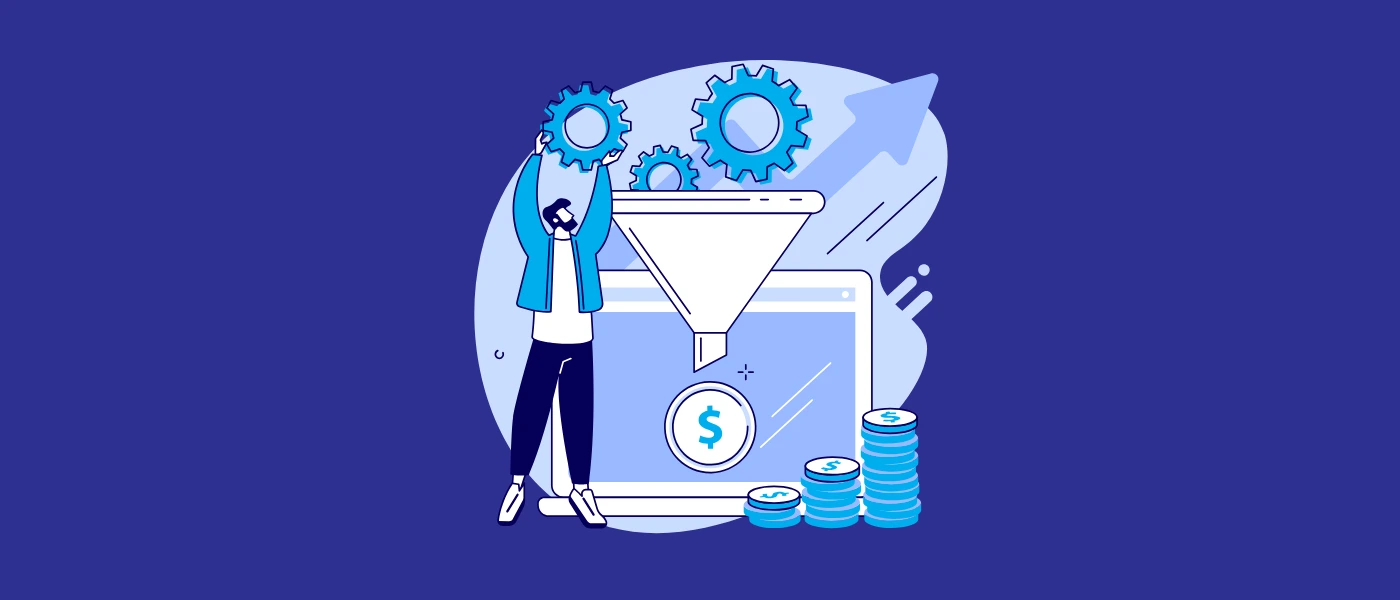
The amount you invest in your link building budget should be based on the realistic…
Search engines aren't the only automated systems accessing, interpreting, and making sense of content found…

There's plenty of scope when creating SEO campaigns. Each industry that turns to experts for…
PR has long supported brands in building authority and spreading awareness, but PR distribution has…
Towards the end of September, on the 24th, Google released the second spam update in…

Some backlinks can help a key service page gain authority, while others help to strengthen…

SEO can be complicated. It’s constantly changing and is not a one-and-done job. That’s something…
AI has become part of how people research and look for products, as well as…
If you are looking to increase your traffic, sales & leads, let's have a chat!

The team will usually respond within 1 hour.