
Your AI SEO Website Auditing Checklist
It’s not just humans that use search anymore. Artificial intelligence plays a huge role in…


Search engine optimization (SEO) is an effective marketing strategy that goes above and beyond traditional advertising. The problem is that, unlike the other areas of your business, it can be difficult to understand just how SEO adds to your revenue stream. While your individual products and your paid advertising campaigns will have a clearly defined ROI, your SEO strategy is driven by data, and that means technical jargon and confusion are all too common. However, the link between SEO and your sales figures can be clearly defined and proven, and it mostly just means knowing where to look when assessing your revenue and discovering improved ways to increase those sales.
Of course, the number of people that visit your website (your website traffic) is not in itself an indication that you will be making sales. Just having plenty of website visitors does not mean that your sales will increase. However, traffic is a vital component of your SEO strategy, and will be one of the measurements of your ROI. That’s because by having low traffic numbers, you are clearly making it harder for paying customers to find you when they have need of you. You will make it more difficult to sell to someone if they cannot find you, so traffic is a key data-set that needs to be prioritised. By becoming more visible on search engines, you can increase traffic, meaning that you have a prime opportunity to drive a sale.
All of the traffic to your website will be for nothing if you’re attracting the wrong audience. If you want to generate sales, then getting visitors to your website through an improved SEO marketing strategy is only part of the battle. You need to make sure you are encouraging visits from:
If your SEO is optimized to actively encourage these site visitors, then the ROI on your SEO strategy will start to improve in ways that are reflected in your bottom line. Of course, knowing that you need to attract the right type of site visitors is very different from actually achieving it. In order to ensure that you get the right people visiting your website, then you need to:
Ongoing work is essential for fully optimized SEO that converts into sales. Failing to keep up with the changing demands of search engines and customer expectations is the fastest way to see your SEO strategy fail to land, and for those learning how to increase sales through improved SEO, keeping up to date on new and relevant trends has never been more important.
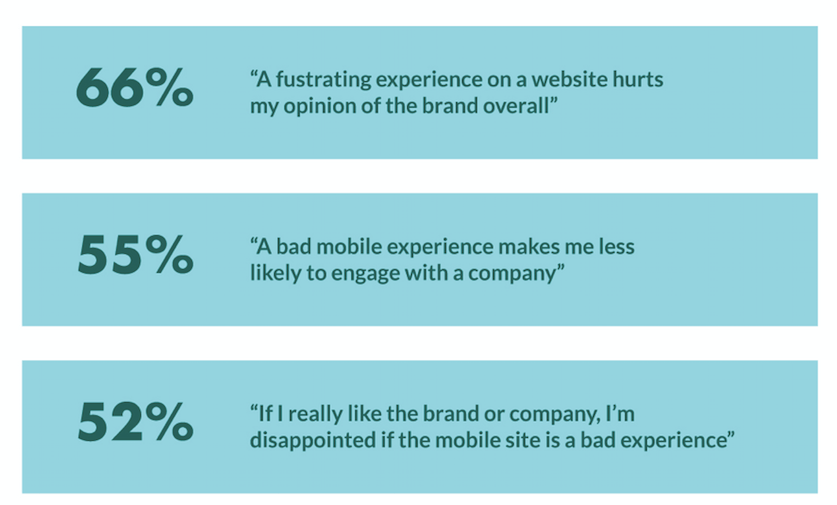
While the customer journey has been mentioned, as part of the customer experience your technical SEO needs to be as flawless as possible. Never underestimate just how much search engines will track and reward (or penalise) your result rankings based on the experience that a customer has on your pages. This comes down to Google Analytics, which is a useful tool to get used to using. Of course, Google wants you to use this tool because they want their users to be satisfied with the service that they provide, and they know that the more you know about the existing impact your website has, the more likely that you can make tweaks and changes that will positively impact the user experience. This works for you as well, because the better experience that a visitor has on your website, the more likely that they will:
If your website is providing a negative experience because you have failed to optimize your SEO and understanding of customer needs, then your revenues will suffer. That’s because SEO improves the customer experience by:
By using your SEO strategy to improve the customer experience, you are also making it easier for search engines to understand your pages and how they provide value to search engine users.
 SEO = Time = Profit
The more time that you can keep a customer on your website, the more chances that you have to encourage and promote a sale. Having a high bounce rateBounce rate is the percentage of visitors to a website who visit only one page. A high bounce rate indicates that visitors are not satisfied with your website. means that site visitors are not getting the value that they are looking for, and having a high bounce rate also negatively affects your search engine performance. By designing your website around the SEO fundamentals, you will improve your sales figures because:
A well-designed website that has been optimized for search engines can improve conversions considerably. By reducing your customer churn, you can have a very real impact on your sales figures.
As much as SEO can increase sales, it can also reduce the costs of other marketing strategy options. While costly marketing strategies like PPC can have a more immediate impact on your revenue, they are not as effective in the long-term when it comes to building a loyal fan base and improving your performance on organic search resultsOrganic search results are the natural, un-paid search results for a keyword on Google.. That’s because paid advertising is like throwing out a wider net with larger holes, whereas SEO marketing means pinpointing the right people at the right time throughout every touchpoint on the customer journey. Prioritizing SEO marketing means that you will have a much firmer foundation on which to build your brand and your profits.


It’s not just humans that use search anymore. Artificial intelligence plays a huge role in…

When a Google core update is being rolled out, digital marketers everywhere eagerly wait to…

It's clear that a new management approach can do wonders for your company, and one of the most cutting-edge and…
Ever wondered why certain websites appear at the top of Google’s results page when you search for something? That’s no…
Download our free guide of how to run a successful outreach campaign.

Simply appearing on a search page isn’t enough anymore, not in today’s world driven by…

Follow vs nofollow links have been debated in digital marketing for years. Questions are often…

Citations are a long-standing SEO trust signal that helps increase visibility in local search results…

In 2026, digital PR services are essential for any brand wanting to build lasting authority…

Picture this: you're working at an SEO agency, managing multiple clients and delivering strong results…
You may have heard that Google has rolled out a notable new update: the February…

Search is evolving quickly. Large Language Models (LLMs) and Google AI overviews now have a…

Automation is on the rise in just about every industry, and SEO is no exception…
If you are looking to increase your traffic, sales & leads, let's have a chat!

The team will usually respond within 1 hour.