How Can Brands Compete in ChatGPT Without Paying for Ads?
AI has become part of how people research and look for products, as well as…

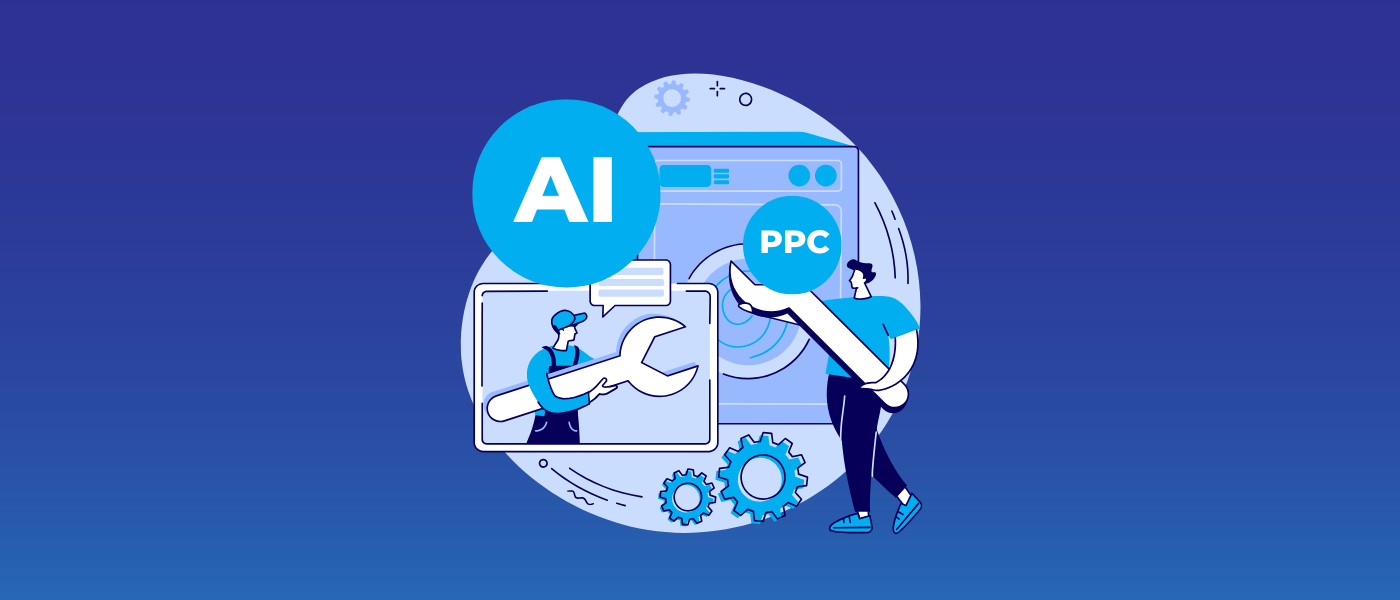
Gone are the days when SEO visibility was all about rankings. AI search has changed things in a big way. Now, visibility is all about how strong your presence is across different search formats, including traditional search, AI Overviews, LLMs, and ads. People are using search in a completely different way than they were even 5 years ago, and they want faster, more direct answers like those from generative AI.
To stay competitive during this search evolution, brands need to think about all aspects of online optimisation. This includes generative search optimisation (GEO) and pay-per-click (PPC). GEO helps you build long-term authority for AI inclusion, while PPC helps you snap up search users that are ready to convert. What’s even better is that GEO and paid search tactics can work together to improve your brand’s AI discovery and bring high-intent search traffic your way. Keep reading to find out everything you need to know about including them in your wider SEO strategy and boost your visibility.
AI-driven SERPs (search engine results pages) and features like AI Overviews are changing how people use search to get information or make decisions. User search behaviour no longer revolves around scrolling and clicking through lots of linksHyperlinks, also known as links, are the connection points on a webpage that take you to other webpages. to get what they need. Instead, with AI features and models, they can get the answers they need straight away. Search queries are also more conversational because of this.
AI SERP featuresGoogle SERP Features are a simple way to get the most out of your search results page. tend to appear above traditional search results. They summarise multiple different sources to give a single response. If your website content isn’t included in those summaries, then you are at risk of being overlooked in favour of your competitors.
This means that:
To stay ahead, brands need to switch up their strategies, and that includes incorporating a Google Ads strategy and strengthening brand positioning in the minds of users.
Although they are different, GEO and PPC can be used together to increase your overall search visibility.
GEO helps you build content authority to appear in AI summaries, when users are often at the start of their journey and researching products and services before making any buying decisions.
On the other hand, PPC like Google Ads targets high-intent users who are ready to make a purchase, booking, or contact a business directly for more information. Using the two together lets you capture search users at different stages of their journey, which increases their recognition of your brand. This builds trust and can also boost engagement and conversionA conversion is a desirable result on a website that leads to an action such as completing an order, filling out a form, or simply clicking on a link. rates when they are ready to act.
GEO is a long-term strategy that takes time to grow authority, trust, and recognition with AI models. PPC puts you above search results, driving instant traffic your way and keeping your brand relevant for the keywords you are targeting. Having a PPC campaign in place can also inform the next steps you take in GEO.
Your paid search data can show which queries drive the most clicks, which messaging resonates, and which subjects drive conversions. Knowing this can help you create relevant content for your GEO strategy that aligns with intent and what users want to know.
To win big in terms of visibility, you need to make sure that your GEO strategy and PPC strategy work together in perfect harmony. One focuses on getting you seen in AI results, the other puts your brand in front of users who are ready to convert. Implementing both allows you to make your performance marketing even stronger.
However, there are some important points you need to keep in mind as you go about ongoing campaign optimisation to ensure consistency, brand recognition, and improved authority:
To work out how effective your GEO and PPC strategies are, you need to take into account how visibility, engagement, and conversions all add up. It’s not about how high your rankings are or how many clicks you get.
It can be difficult to measure how well your GEO strategy is performing, as it doesn’t rely on the same metrics as traditional SEO. However, the below indicate that SEO visibility and authority are getting stronger in AI search:
Performance tracking for PPC follows clearer metrics, so it’s easy to figure out how your campaigns are doing:
To find out more about how PPC can skyrocket your brand’s visibility, check out our Paid Search Case Studies.
It doesn’t matter how good your strategy is; the truth is that not many users convert after a single interaction with your brand. This is why attribution is so important, as it tells you where users came into contact with your brand throughout their journey and can give you an idea of how both PPC and GEO influenced their awareness and decision to buy your service or product. This can help you measure conversions and the impact of your brand across different channels so you can stay visible. It can also inform future strategies.
There’s no denying that the future of search is AI. To keep pace with this huge change, your business needs a digital strategy that accounts for how AI is changing search and how users interact with it. Visibility isn’t about ranking well; it’s about making sure your brand is front and centre across different search platforms at every stage of the user’s search journey.
When used together effectively, GEO and PPC can build trust, position you in AI results, and capture high-intent traffic ready to convert. If your GEO, PPC, or AI SEO Strategy needs some attention, our team is here to help. We offer PPC Consultancy and White Label PPC and GEO options for agencies. Book a call today.

AI has become part of how people research and look for products, as well as…
Instead of scrolling through pages and pages of endless search results, more people are now…
Find out the secret code of how to get a rich snippet in Google.
Selecting an SEO agency is an important decision for any business. Check out our guide on how to choose an SEO agency successfully!
Some backlinks can help a key service page gain authority, while others help to strengthen…
SEO can be complicated. It’s constantly changing and is not a one-and-done job. That’s something…
AI has become part of how people research and look for products, as well as…
Growing an SEO agency takes a lot of hard work. You've got to keep up…
Google announced it was rolling out a further spam update on August 18, 2026. It…
Instead of scrolling through pages and pages of endless search results, more people are now…
When your target customer heads to Google to search for a product or service, or…
Artificial intelligence (AI) is changing the way that people are searching for information. Tools like…
If you are looking to increase your traffic, sales & leads, let's have a chat!

The team will usually respond within 1 hour.