
How to Get LLMs to Mention Your Brand
Simply appearing on a search page isn’t enough anymore, not in today’s world driven by…


Link buildingLink building is a process of acquiring links pointing to your website. These links are obtained by creating content, participating in social media or commenting on other blogs. is an effective way to earn authority and build visibility online. With the right amount of creativity and determination, your link profile can lead to a steady stream of search engine traffic, email subscribers and – ultimately – more sales for your business.
However, with so many websites using the same techniques, establishing yourself as a leader in your niche is not as easy as it once was.
Earning high-quality backlinks from trusted websites requires creativity and determination. Still, sometimes the methods you’ve been using successfully for years will stop working. When this happens, it’s time to shake up your strategy.
Luckily, there are a variety of link building methods that don’t require large amounts of money, time or resources. So if you want to make your site relevant again, here are 10 ways to reinvent your link building.
Before you start switching up your link building, you need to get the whole team together for a brainstorming session. It’s important not to dive into anything before you’ve clarified:
Throughout the brainstorming process, you should keep one eye on the competition. Checking out your competitors is a cost and time-effective method of identifying new link building tends. You may also stumble across new contacts, outreach methods or content ideas.
You can automate the process of checking competitor linksHyperlinks, also known as links, are the connection points on a webpage that take you to other webpages. by setting up Google Alerts or SEMrush reports.
To change your link building strategy from the ground up, you can:
When brainstorming, always draw back to why you are building links in the first place. Don’t view it as yet another sales strategy. Be specific about your link building goals.
Marketing experts talk often talk about “brand immersion” when working with clients. Whether you’re building links for your business or someone else’s, you need to have a keen understanding of the brand, including:
Don’t assume everybody knows what the brand is and what it does. They don’t – that’s what branding is there for. If you want your links to be relevant and position you as an authority in your market, you need to stay consistent with your brand.
Sending link requests should be a core part of your link building strategy. The most common outreach method is via email.
Your email should also include the following details:
Remember that most people have an attention span of fewer than eight seconds. Therefore, this is all the time you have to make your point. Make sure the purpose of your outreach is clear from the start, and don’t fluff it up with unnecessary detail.
According to Google Search Quality Strategist, the two most important signals for ranking websites are link building and quality content.
Luckily, the two practices go hand-in-hand: the key to earning quality inbound links is to make sure your content is engaging. The average person spends less than 59 seconds on a web page. After that, if they re not interested, they’ll bounce.
If you want to keep your audience hooked, you need to create powerful, valuable content. Content should be skim-friendly, visually appealing and written in clear, concise language that can be understood by an eight-year-old.
List posts receive 74% more links than any other content type, so these can help you increase your inbound links.
It’s a well-known fact that high-quality content also helps your site rank in Google. This is because Google’s job is to deliver valuable content to its users. Google is focused on the ever-evolving user experience (UX).
“Google’s main priority is user experience, so developing a positive UX is the simplest way to stay ahead of algorithmic and industry change.” – SEO Kristopher Jones, SEO expert.
Remember that ranking high in Google takes time. The ultimate goal is to secure links that immediately drive relevant traffic and conversions to your site.
When executed with proper outreach, it’s possible to earn better quality links by building interactive data into your content.
Interactive data visualisation is not just visually appealing; it’s often the most engaging, memorable and effective communication tool. Why? Because you’re allowing your audience to educate themselves, rather than merely presenting them with the facts.
Social platforms like Twitter and Facebook can be highly effective link building tools. While you shouldn’t ask for links without building relationships first, you can connect with others in your industry and expand your outreach.
Through social media, you can:
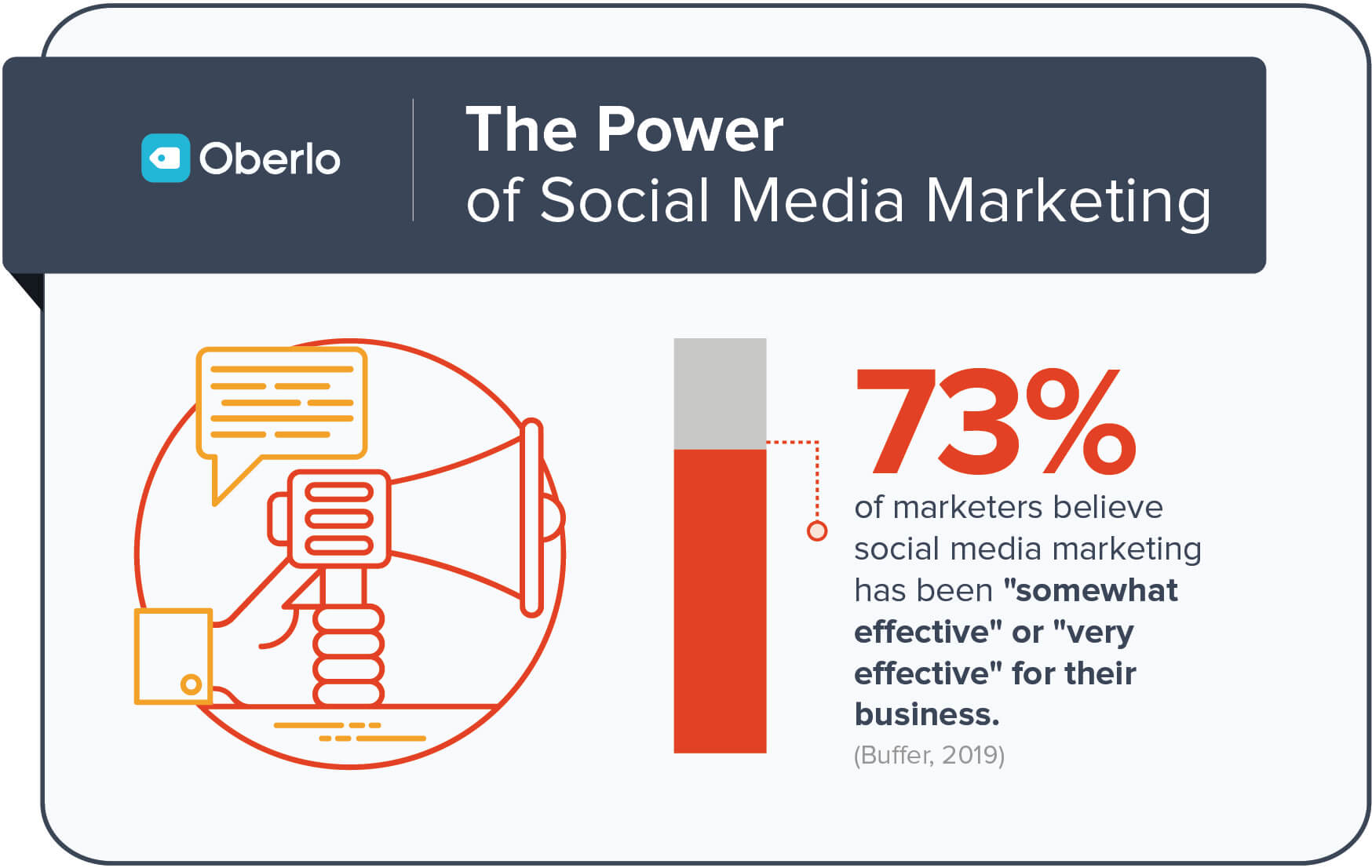
Press releases are a powerful way to earn links. However, these days space on news platforms is competitive. You won’t get press for nothing – you need to do something newsworthy and publicise it.
Again, you should nurture your relationships with professionals who can get you into the spotlight. Become familiar with editors, journalists and contributors in your industry. Engaging with them online gives you access to their audience. Plus, if you a have value to share, nurturing these professional relationships can be mutually beneficial. Just start off by asking for links though. You have to give a little in return.
You’re probably aware of the link-building benefits of blogging, but do follow a content marketing strategy? Do you blog consistently enough, on other sites as well as your own?
If your answer to this question is no, then you should start contributing to other sites in your niche. Writing for publications your audience know and trust is not only great for backlinks, but it also adds to your credibility.
This is backed up by link-building statistics. According to multiple surveys, guest posting has seen a 112% increase in interest since 2005.
To find relevant websites for guest posting, you should start with the following search terms:
“write for us” [niche or topic]
“submit guest post” [niche or topic]
“guest post guidelines” [niche or topic]
Ideally, you should find websites where you can put a “dofollow” link within the article. Reports show that links in footers and sidebars aren’t worth as much as links found in the middle of a page’s body content.
What’s the difference between a “nofollow” and a “dofollow” link?
”nofollowThe nofollow attribute is an HTML tag that tells search engine crawlers not to follow a link.” is the tag added to a link that tells search engines not to count it as an endorsement. For SEO purposes, you want to get “dofollow” links whenever possible.
You may also consider sharing content via other channels, such as podcasting or YouTube. Starting a podcast is a powerful way to reach a large audience. For this to be effective, you’ll need to produce valuable content to give people reason to link to you.
Republishing old blog posts with new images and content can boost organic trafficOrganic search traffic (sometimes called natural or unpaid search) is the traffic that's driven to a website because of unpaid placement on a search engine results page. by 110%, so don’t be afraid to re-share relevant posts.
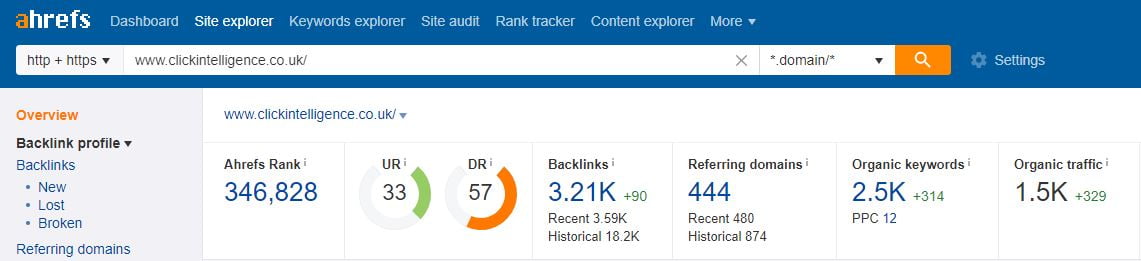
Without monitoring your backlinks, you have no way of growing your link-building strategy. It’s important to see which sites are providing your backlinks you so you can build on those relationships. This way, you know what you’re doing right and where you need to rethink your strategy.
Other websites might not tell you when they provide a backlink. Therefore, monitoring your backlink profile is the only way to keep on top of your link profile.
You can also use software like Monitor Backlinks to keep track of keywords as well as backlinks. The data you see here is a great place to start your keyword researchKeyword research helps websites unearth the best keywords to drive traffic and visibility. This research is supported by a number of powerful web-based tools, the best of which we’ve listed here..
Are you an expert in your industry? If so, then publishing unique, difficult-to-find data is a great way to earn links to your site.
Publishing the raw facts isn’t enough in itself, however. You have to go beyond that stats and offer your own insights. Anything quotable is a bonus. As an expert, your opinion will be highly valuable to other bloggers and contributors in your market.
With so many different approaches, link building can feel overwhelming. However, if you’re not getting the results you want, it’s time to take a step back and evaluate your efforts.
Google now puts more emphasis on positive user experience than businesses trying to improve their SEO. This means you need to focus on building backlinks through genuine relationships and methods.
Spam is no longer acceptable, and negative SEO can get you penalised by Google. Therefore, you need to focus on improving your organic search by building an authentic online presence and creating evergreen content. These 10 tips will help you do just that.

Simply appearing on a search page isn’t enough anymore, not in today’s world driven by…

Follow vs nofollow links have been debated in digital marketing for years. Questions are often…
Without the correct tactics, your website doesn’t have a chance of appearing prominently on search engine results pages. Because if…
Google's Core Web Vitals reports how a page performs, and here's our checklist to improving page experience this 2022!
We’re going to take a look at how you can turn your eCommerce dream into a reality.
Simply appearing on a search page isn’t enough anymore, not in today’s world driven by…
Follow vs nofollow links have been debated in digital marketing for years. Questions are often…

Citations are a long-standing SEO trust signal that helps increase visibility in local search results…

In 2026, digital PR services are essential for any brand wanting to build lasting authority…

Picture this: you're working at an SEO agency, managing multiple clients and delivering strong results…

You may have heard that Google has rolled out a notable new update: the February…

Search is evolving quickly. Large Language Models (LLMs) and Google AI overviews now have a…

Automation is on the rise in just about every industry, and SEO is no exception…
If you are looking to increase your traffic, sales & leads, let's have a chat!

The team will usually respond within 1 hour.