
The December 2025 Google Core Update Is Complete: What Does It All Mean?
When a Google core update is being rolled out, digital marketers everywhere eagerly wait to…


Star ratings on Google are an effective way of signaling to search engine users that your website is a valuable resource. A Google star rating also helps you to stand out on search engine results pages (SERPs). Those two factors combined mean that having a Google star rating is a quality motivator when it comes to improving your site traffic. Being seen on search engines is a core component of digital marketing, but while additional factors like SEO and content value are often the key considerations for improved SERP performance, a Google star rating is often overlooked. It can take time to develop a website that has a star rating embedded on Google, but the right step-by-step process might be able to achieve this far more easily than you think.
To get your Google star rating you will need to have customer reviews. Google has some clearly defined rules for which sites they will include for reviews. Your reviews will have to:
This means you need reviews on your website, and those reviews need to be clearly visible. It’s not enough to have reviews on Yelp or even Google Business. Do not make the mistake of loading up fake reviews, as Google is particularly good at identifying these and will penalise your website if they believe that you are doing so. Once you have started collecting reviews, make sure that you adopt a star rating display, as this will make the markup process much easier.
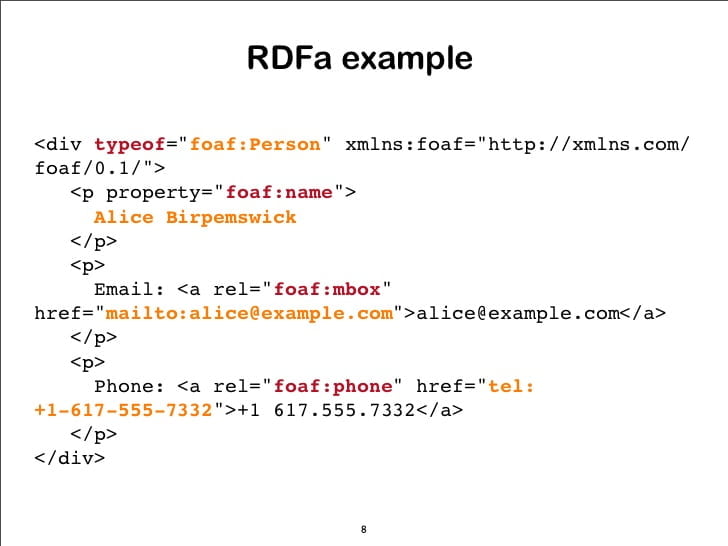
Google needs to know that you now have reviews on your website. You will need to have some basic markup knowledge for this, although there are apps that can do this for you. Adjusting your schema markup will require some coding knowledge, and you will need to know how to use specific HTML tags. If you try to display and mark up your reviews by hand, then that can mean a lot to remember. If you fail to do this, though, then Google will not be able to read your review.
You should also make sure that your website contains basic information about your business. This includes address, phone number, and sector. Ideally, you want this info as a footer on every page of your site.
 Step 3: Learn Best Practices
Following the first two steps doesn’t mean that you will immediately get your Google star rating. It can take time for Google to implement your ratings, and they may not include it at all. You can make it more likely that they will use your reviews if you:
Of course, these four things alone can improve your digital marketing effectiveness. However, by focusing on them, you will be proving your authority to Google and making it far more likely that they will reward you with a star rating.
People want to have their needs satisfied, and social proof is an effective way of showing your value. If lots of people like your product or service enough to leave a positive review, then others will be more likely to see what you offer. Make sure that you take the time to build a bank of reviews as well as that vital trust and authority. Get the foundations right, and you will be more likely to be granted that all-important Google star rating.


When a Google core update is being rolled out, digital marketers everywhere eagerly wait to…

Google’s new AI Mode is here. On July 28, 2025, the search engine giant announced…

Outreach emailing is a traditional marketing strategy that involves sending an email to someone with whom you have no previous…

Google's Core Web Vitals reports how a page performs, and here's our checklist to improving page experience this 2022!

The search engine landscape is constantly changing; search in 2022 is no exception. New trends and algorithm updates occur all the time in the search engine world.

Simply appearing on a search page isn’t enough anymore, not in today’s world driven by…

Follow vs nofollow links have been debated in digital marketing for years. Questions are often…

Citations are a long-standing SEO trust signal that helps increase visibility in local search results…

In 2026, digital PR services are essential for any brand wanting to build lasting authority…

Picture this: you're working at an SEO agency, managing multiple clients and delivering strong results…

You may have heard that Google has rolled out a notable new update: the February…

Search is evolving quickly. Large Language Models (LLMs) and Google AI overviews now have a…

Automation is on the rise in just about every industry, and SEO is no exception…
If you are looking to increase your traffic, sales & leads, let's have a chat!

The team will usually respond within 1 hour.